
SERVICES / RAPID MOLD
Water damage restoration in Chicagoland
Water extraction, drying, and restoration planning for Chicagoland properties after leaks and water intrusion. Call directly for urgent help.
WATER DAMAGE RESTORATION
From water damage to a clear next step.
Assess affected materials, plan extraction and drying, and coordinate the path to repair.
A REASON TO LOOK CLOSER
- Plumbing and appliance leaks
- Water in finished lower levels
- Roof-related interior damage
- Wet flooring, walls, or insulation
Understand the source and the spread
A supply-line leak, roof leak, and water entering from outside can affect a building differently. Describe when the event began, whether it has stopped, and which rooms or floors are involved. The water source and material condition influence handling and cleanup decisions.
Assess what is wet
Moisture may extend beyond the visible puddle or stain. Flooring, wall cavities, insulation, and adjoining rooms can need assessment. Drying decisions should be based on the materials and conditions, with removal discussed where drying in place is unsuitable.
Plan extraction and drying
Where appropriate, water removal and drying equipment are part of the response. The placement and duration of equipment depend on the job. Do not move or turn off equipment without discussing it with the project contact, since it can affect the drying plan.
Coordinate mold, repairs, and records
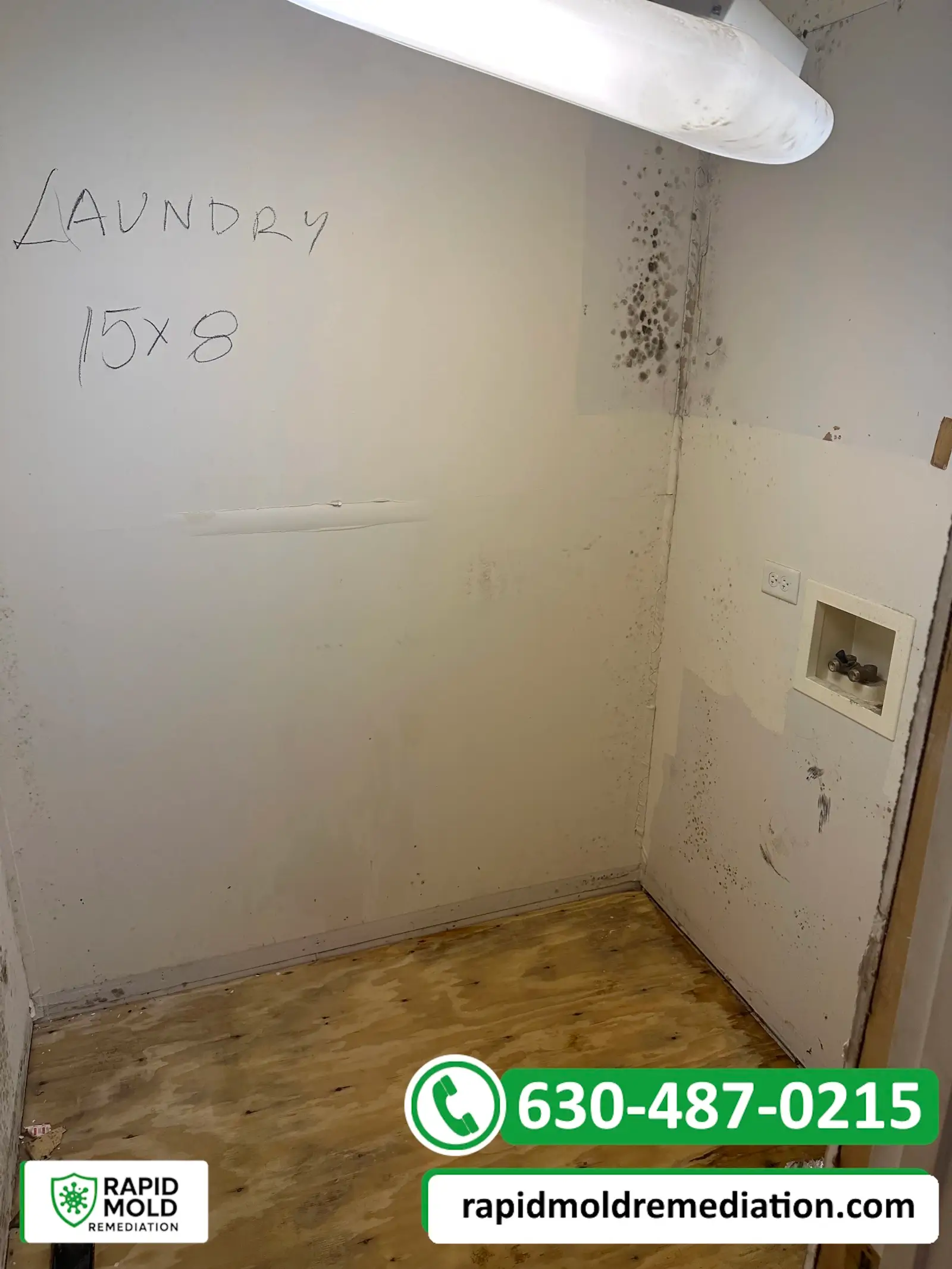
If growth is present, a separate remediation scope may be needed. Source repairs and reconstruction should be clearly assigned. Photos, the work scope, drying records where applicable, and invoices can help you keep an organized account of the event.
BEFORE YOU DECIDE
Questions, answered.
Can a room look dry but still need attention?
Yes. The surface appearance alone does not describe moisture inside materials or enclosed spaces.
How quickly should wet materials be addressed?
Prompt assessment and drying matter. EPA recommends drying wet materials within 24–48 hours where possible to help prevent growth; this is not a guarantee that damage will not occur.
Does insurance pay for restoration?
Your insurer determines coverage based on the policy and circumstances. Keep records and discuss claim requirements directly with the insurer.
YOUR PROPERTY. A CLEAR PLAN.
Let’s get on top of it.
Tell us what you’re seeing. We’ll help you understand where to start.