
THE RESOURCE LIBRARY
Less guesswork. Better questions.
Practical guides for the decisions that come before, during, and after a mold or water-damage project.
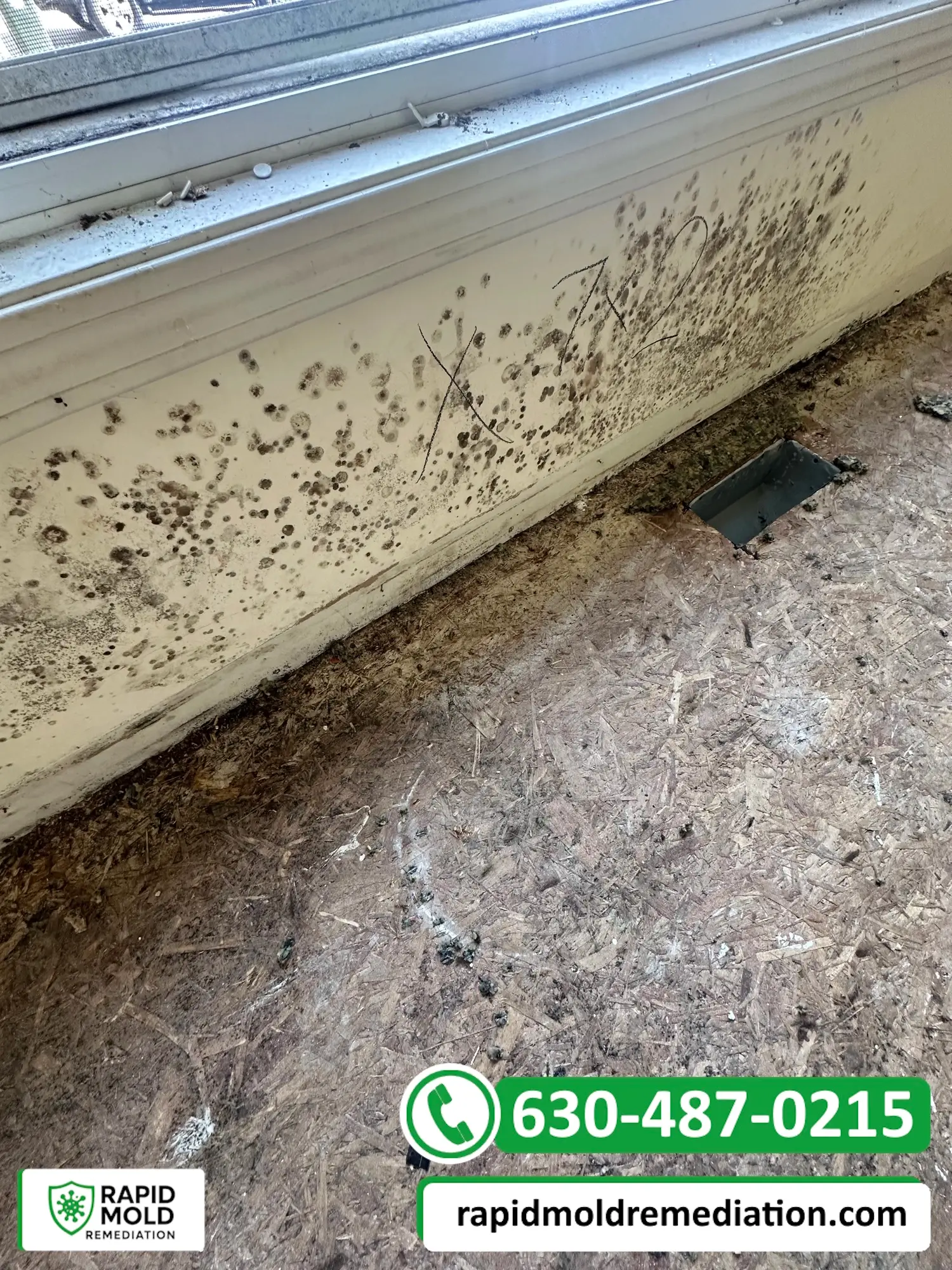
What affects mold remediation cost in Chicago?
Two properties with similarly sized stains can require very different work. A useful estimate explains the conditions and the scope, not just a price per room.
Read the guide ↗AtticsAttic mold: look at the moisture, not just the stain
An attic finding can raise questions about the roof, insulation, exhaust, and indoor moisture. The right starting point is to understand how the space is getting damp.
Read the guide ↗BasementsAfter basement flooding: plan the next steps
When water has entered a basement, the visible puddle is only part of the assessment. Materials, the water source, and access all matter.
Read the guide ↗InspectionCould there be mold behind the drywall?
Staining, a musty smell, or a previous leak may justify investigation. None of those signs alone reveals what is inside a closed wall.
Read the guide ↗Mold basicsMold or mildew: what matters for your property?
People use these words loosely. The label is less useful than understanding the surface, the moisture, and whether the condition keeps returning.
Read the guide ↗BasementsA musty basement smell: where to start
An odor is a reason to look more closely, but it does not identify a source by itself. A short record of when and where you notice it can make an inspection more useful.
Read the guide ↗Property decisionsSelling a house with a mold concern
A clear record of the concern and the response helps everyone understand the property. Start early enough to separate assessment, work, and any requested verification.
Read the guide ↗Property decisionsMold mentioned in a home inspection: what next?
A home-inspection observation is the beginning of a focused conversation. Understanding exactly what the inspector saw helps avoid assumptions about the work.
Read the guide ↗Mold basicsWhen to ask for professional mold removal help
The size of a visible patch is only one consideration. Access, material damage, water history, and the way the space is occupied can also affect the decision.
Read the guide ↗Mold basicsBleach and mold: ask about the material first
A cleaning product is not a complete remediation plan. The condition of the surface and the moisture source determine what needs to happen.
Read the guide ↗PreventionMold around windows: condensation or a leak?
Growth around a window may appear in the same place repeatedly. Before replacing trim or repainting, understand when the surrounding materials are getting wet.
Read the guide ↗PreventionWhy does mold keep coming back?
A recurring problem often means the previous response did not resolve every relevant condition. Start by reviewing what changed—and what did not.
Read the guide ↗AtticsAttic condensation and mold: questions to ask
Condensation concerns require a look at how moisture and air move through the property. Cleaning affected attic surfaces is only one part of the conversation.
Read the guide ↗BasementsCrawl-space mold: prepare for an assessment
Access beneath a building can be limited, and entering without understanding the hazards is not a useful first step. Prepare information from what is already safely known.
Read the guide ↗PlanningInsurance and mold: organize the property record
Coverage is a question for your insurer and your policy. Your practical role is to keep an accurate record of what happened and what work is proposed.
Read the guide ↗Water damageAfter a burst pipe: a practical property checklist
A pipe failure can affect more than the room where water first appears. Start with safe access and a clear description of the event.
Read the guide ↗PlanningHow long does mold remediation take?
A dependable schedule starts with a defined scope. A fixed promise before assessing the property can leave out the parts of the project that take the most coordination.
Read the guide ↗InspectionDo you need mold testing before remediation?
Not every mold concern benefits from sampling. The first question is what the test would help you decide.
Read the guide ↗InspectionPost-remediation verification: plan it at the start
If your project needs an independent review after remediation, define that requirement before work begins. It affects the scope, schedule, and documentation.
Read the guide ↗PlanningHow to prepare your home for mold remediation
Preparation is most useful when it follows the agreed scope. Ask your project contact what to move, what to leave alone, and which rooms will be affected.
Read the guide ↗PreventionFive habits that help prevent mold growth
Moisture control is the foundation of prevention. A simple maintenance routine makes leaks and damp conditions easier to notice before they are covered up.
Read the guide ↗CommercialA mold concern at your business: make a clear plan
For a business or managed property, the work plan must account for people, access, and responsibilities as well as the affected materials.
Read the guide ↗InspectionSigns of a mold concern—and what to do next
Visible growth, musty odors, and water-damaged materials are reasons to investigate. They do not all point to the same scope or answer every question about a property.
Read the guide ↗YOUR PROPERTY. A CLEAR PLAN.
Let’s get on top of it.
Tell us what you’re seeing. We’ll help you understand where to start.